Canto 10
Canto 10
Chapter 20: The Rainy Season and Autumn in Vrindâvana*
(1) S'rî S'uka said: 'The cowherd boys described to the ladies [of Gokula] the amazing actions of the two, who had delivered them from the forest fire and had killed Pralamba. (2) The elder gopas and gopîs were surprised to hear about this and considered Krishna and Râma messengers of God who had come to Vraja.
(3) Then, with flashes of lightening at the horizon and rumbling skies, the rains began to fall that bring life to all living beings. (4) The sky being covered with dense, dark clouds accompanied by lightening and thunder was, with its diffuse light, like the spirit soul that manifests along with its material qualities. (5) For eight months in a row the sun with its rays drank the wealth of the earth that consists of water and now the time had arrived for its release. (6) Massive clouds, full of lightening and agitated by the fierce winds, released their grace, just as persons of mercy give their life in this world. (7) The earth that dried up because of the heat, being sprinkled by the divine water, was fully replenished just like the sensually motivated body of a repentant person restores after obtaining the fruits of that practice. (8) Because of the darkness the glowworm in the evening twilight could shine its light, but that was not true for the luminaries, just like in Kali-yuga because of the sins the heresies are shining and certainly not the Vedas. (9) The frogs, at first sitting silently, hearing the sounds of the rain clouds thereupon emitted their sounds, just like the followers of Brahmâ do [their recitations] after completing their [silent] morning duties [see niyama]. (10) After first having been insignificant streams, the rivers that had dried up strayed from their courses, just like it happens with the body size, the property and the means of a person who is controlled by his senses. (11) Emerald green from the newly grown grass, reddish from the indragopa insects and affording the mushrooms shelter, the earth manifested herself like a person who [suddenly] became rich. (12) The fields rich with grains brought joy to the farmers, but made others, the wealthy souls who were too proud for that type of work, feel sorry not to live by that grace of God. (13) The creatures of the land and water, all reborn from the water they honored, took on attractive forms, just like people do when they honor the Lord. (14) Where the rivers whirling met the ocean, waves were created that were blown up by the wind, just like the mind, of a by desire driven beginning yogi, is agitated who is still bound to material passions. (15) The mountains besieged by clouds filled with rain stood undaunted under their attack, just like the minds of souls dedicated to the Lord in the Beyond do, when they face trouble. (16) The roads, no longer used, faded away being overgrown by grass, just like written texts do that, not being studied by the brahmins, wither away under the influence of time. (17) The lightening in the clouds that are the friends of all the world, fickle in its friendship, could not keep its position, just like a lusty woman cannot [even] stay with men of merit. (18) When the [rain-]bow of the great Indra unstrung but clearly defined appeared in the sky, it was as if the Supreme Personality Free from the Modes had appeared within the manifest nature that is ruled by those basic qualities. (19) The moon did not shine because its light was covered by the clouds that radiated thereof, the same way the false ego of the living being shines because of its luster. (20) Because of the arrival of the clouds the peacocks cried joyously in celebration, the same way people who are troubled in their household existence are glad when the devotees of Acyuta arrive. (21) The trees, which drank the water through their feet, manifested various physical features [like fruits, leaves and sprouts], just like [the flourishing that happens] when one, after being emaciated and fatigued because of austerities, [finally] may delight in the object of one's desire. (22) The cranes kept staying at the muddy banks of the lakes, my best one, just like the citizens do who with vain hope restlessly engage themselves in their homes. (23) When Indra showers his rains the irrigation dikes break because of the floodwater, just as the paths of the Vedas are broken up by the false theories of the heretics in Kali-yuga. (24) The clouds driven by the winds released their nectarean water over all living beings, just like kings, encouraged by the brahmins, from time to time give their donations in charity.
(25) The Lord and Balarâma surrounded by the cows and boys thus for their enjoyment entered that most resplendent forest with its ripe dates and jambu fruits. (26) The cows moved slowly because of their big and heavy udders, but being called by the Lord they came quickly with their udders wet out of affection. (27) He saw the joyful inhabitants of the forest, He saw its trees dripping sweet sap, and the waterfalls of the mountain that resounded from the nearby caves. (28) Sometimes when it rained, the Supreme Lord entered a hollow tree or a cave to play and eat roots and fruits. (29) The yogurt-rice brought from home He in the company of Sankarshana ate together with the boys, sharing the meal on a stone near the water.
(30 -31) The bulls sat ruminating on a patch of grass, satisfied with their eyes closed, together with the calves and the cows that were tired because of the weight of their udders. It always pleased the Supreme Lord to see the riches of the rainy season that were promoted by His internal potency. That made Him offer His respects
(32) With Râma and Kes'ava residing this way in Vraja, the fall season manifested itself in full, with a cloudless sky, the clearest water and a gentle wind. (33) In autumn the lotuses regenerated and the bodies of water regained their original state [of purity], just as the minds of fallen souls are restored by the practice of devotional service. (34) Autumn put an end to the clouds in the sky, cleared the turbid water, dried the muddy condition of the earth, and stopped the increase of animals, the way devotion for Lord Krishna puts an end to the troubles of all the spiritual departments [the status groups or âs'ramas]. (35) The clouds that had given all they had, shone with an effulgence as pure as the effulgence of the sages who, having forsaken desires, freed from sins found peace. (36) At one moment the mountains released their pure water while at another moment they did not, just as the nectar of spiritual knowledge only at times is bestowed by the jñânis [the spiritual philosophers]. (37) The living beings moving in shallow waters [the fish] could not appreciate that the water became less and less [after the rains], just like foolish people in a family setting do not appreciate the every day further diminishing of their life span. (38) Moving in shallow water they because of the autumn sun experienced hardship, just as a destitute man occupied by his family life feels miserable when he has no control over his senses. (39) Gradually the land had to give up its mud, and the plants had to give up their unripe condition [of bearing no fruits], just like sober souls who have to give up the egotism and possessiveness of being focussed on the non-spiritual nature of the material body and that what belongs to it. (40) With the arrival of fall the waters became motionless and the ocean became quiet, just as a fully renounced sage desists from actions and [further] acquiring knowledge [see also avadhûta and 7.13]. (41) The farmers contained the water of the rice fields with strong irrigation banks, the same way yogis stop the stream of consciousness that through the senses reaches outside. (42) The moon removed the suffering of all living beings that was generated by the rays of the autumn sun, just like wisdom removes the suffering based on self-conceit with the body, and the way Mukunda [returning home] puts an end to the misery of the ladies of Vraja. (43) The cloudless sky of fall shone brilliantly clear full of stars, just like a mind moved by goodness radiates in the direct experience of the purport of the Vedas. (44) The moon and the stars shone unlimited forth in the sphere of the sky, just like the master of the Yadus, Krishna, did when He walked the earth surrounded by the circle of the Vrishnis [see family-tree]. (45) By embracing the wind, which was not too cold and not too hot blowing from the flower-filled forest, the people could forget their hardship, but not so the gopîs whose hearts were stolen by Krishna. (46) The cows, the doe, the she-birds and the women were receptive in autumn, just like deeds in service of the Supreme Lord are followed by their respective mates, the good results. (47) Oh King, the lotuses, except for the night-blooming kumut lotus, bloomed abundantly at sunrise, just as the populace, except for the thieves, blossoms with a [righteous] king whom they do not fear. (48) During all the harvest rituals, other mundane celebrations and great festivals in the towns and villages, the fertile earth, rich with grains and especially with the two [of Krishna and Balarâma], shone beautifully as an expansion of the Supreme Lord. (49) The kings, the merchants, the renunciates and the initiated householders, who were checked by the rains, now could venture to achieve their goals, just like those who attain the perfection of life find their ultimate form [svarûpa or form of service] when the time has come.'

Third revised edition, loaded August 23, 2020.
Previous Aadhar edition and Vedabase links:
S'rî S'uka said: 'The cowherd boys described to the ladies [of Gokula] the amazing actions of the two, who had delivered them from the forest fire and had killed Pralamba.S'rî S'uka said: 'The cowherd boys described to the ladies [of Gokula] the amazing actions of the two by whom they were delivered from the forest fire and Pralamba had been killed. (Vedabase)
The elder gopas and gopîs were surprised to hear about this and considered Krishna and Râma messengers of God who had come to Vraja.
The elder gopas and gopîs also surprised to hear that considered both Krishna and Râma messengers of God who had come to Vraja. (Vedabase)
Then, with flashes of lightening at the horizon and rumbling skies, the rains began to fall that bring life to all living beings.
Then with flashes of lightening at the horizon and rumbling skies commenced the rains that give life to all living beings. (Vedabase)
The sky being covered with dense, dark clouds accompanied by lightening and thunder was, with its diffuse light, like the spirit soul that manifests along with its material qualities.
The sky covered by dense, dark clouds accompanied by lightening and thunder was, with its diffuse light, like the spirit soul that is manifest with its material qualities. (Vedabase)
For eight months in a row the sun with its rays drank the wealth of the earth that consists of water and now the time had arrived for its release.
For eight months had the sun with its rays drunk the wealth of the earth in the form of water and now had the time arrived proper for its release. (Vedabase)
Massive clouds full of lightening and agitated by the fierce winds released their grace, just as persons of mercy give their life in this world.
Great clouds full of lightening agitated by the fierce winds released, just like the persons of mercy in this world, indeed their gratification of all life. (Vedabase)
The earth that dried up because of the heat, being sprinkled by the divine water, was fully replenished just like the sensually motivated body of a repentant person restores after obtaining the fruits of that practice.
Dried of the heat was the earth, sprinkled by the divine, fully replenished just like the sensually motivated body of someone of penance is after obtaining the fruits of that practice. (Vedabase)
Because of the darkness the glowworm in the evening twilight could shine its light, but that was not true for the luminaries, just like in Kali-yuga because of the sins the heresies are shining and certainly not the Vedas.
Of the darkness could in the evening twilight the glowworm shine but not the luminaries just like in Kali-yuga of the sins the heresies are shining and certainly not the Vedas. (Vedabase)
The frogs, at first sitting silently, hearing the sounds of the rain clouds thereupon emitted their sounds, just like the followers of Brahmâ do [their recitations] after completing their [silent] morning duties [see niyama].
Hearing the resounding of the rain clouds emitted the frogs, who before sat silent, their sounds just like the ones of Brahmâ sound their voices after their morning routines [see niyama]. (Vedabase)
After first having been insignificant streams, the rivers that had dried up strayed from their courses, just like it happens with the body size, the property and the means of a person who is controlled by his senses.
The rivers that had dried up next, from first being insignificant streams, strayed from their courses just like it happens with the body, the property and the means of a person who is controlled by his senses. (Vedabase)
Emerald green from the newly grown grass, reddish from the indragopa insects and affording the mushrooms shelter, the earth manifested herself like a person who [suddenly] became rich.
Emerald of the green of newly grown grass, reddish of indragopa insects and affording the mushrooms shelter, manifested the earth herself like a person who suddenly became rich. (Vedabase)
The fields rich with grains brought joy to the farmers, but made others, the wealthy souls who were too proud for that type of work, feel sorry not to live by that grace of God.
The fields rich with grains gave the farmers joy but made others feel sorry [not to have things by grace, others] who being falsely proud do not understand the will of God. (Vedabase)
The creatures of the land and water, all reborn from the water they honored, took on attractive forms, just like people do when they honor the Lord.
The creatures of the water and the land, all new of the water in recourse, took on attractive forms like people do when they render service to the Lord. (Vedabase)
Where the rivers whirling met the ocean, waves were created that were blown up by the wind, just like the mind, of a by desire driven beginning yogi, is agitated who is still bound to material passions.
The rivers with turbulence meeting with the ocean created waves blown up by the wind, just like the mind driven by desire gives reactions with an immature yogi bound to the material qualities. (Vedabase)
The mountains besieged by clouds filled with rain stood undaunted under their attack, just like the minds of souls dedicated to the Lord in the Beyond do, when they face trouble.
The mountains besieged by clouds filled with rain stood undaunted under their attack, just like the minds of the ones dedicated to the Lord in the Beyond are undaunted when they meet with trouble. (Vedabase)
The roads, no longer used, faded away being overgrown by grass, just like written texts do that, not being studied by the brahmins, wither away under the influence of time.
The roads no longer used faded away grown over by grass, just like written texts do which, not studied by the brahmins, wither away under the influence of time. (Vedabase)
The lightening in the clouds that are the friends of all the world, fickle in its friendship, could not keep its position, just like a lusty woman cannot [even] stay with men of merit.
The lightening in the clouds that are the friends of all the world did, fickle in its friendship, not keep its position, just like a lusty woman can't being fickle with virtuous men. (Vedabase)
When the [rain-]bow of the great Indra unstrung but clearly defined appeared in the sky, it was as if the Supreme Personality Free from the Modes had appeared within the manifest nature that is ruled by those basic qualities.
When the [rain-]bow of the great Indra unstringed but clearly defined appeared in the sky was it as if the Supreme Personality Free from the Modes had appeared within the manifest of nature that is ruled by the modes. (Vedabase)
The moon did not shine because its light was covered by the clouds that radiated thereof, the same way the false ego of the living being shines because of its luster.
The moon was not shining because its light had been covered by clouds that radiated [thereof], the same way a living being shines from within while its lustre is being covered by false ego. (Vedabase)
Because of the arrival of the clouds the peacocks cried joyously in celebration, the same way people who are troubled in their household existence are glad when the devotees of Acyuta arrive.
Because of the arrival of the clouds cried the peacocks joyously in celebration, the same way people in distress rejoice and within their homes find happiness when the devotees of Acyuta arrive. (Vedabase)
The trees, which drank the water through their feet, manifested various physical features [like fruits, leaves and sprouts], just like [the flourishing that happens] when one, after being emaciated and fatigued because of austerities, [finally] may delight in the object of one's desire.
The trees having drunk the water through their feet assumed various bodily features [like blossoms, leaves and sprouts] like it happens when, previously emaciated and fatigued of austerities, one may [finally] delight in the object of one's desire. (Vedabase)
The cranes kept staying at the muddy banks of the lakes, my best one, just like the citizens do who with vain hope restlessly engage themselves in their homes.
The cranes stayed at the banks of the restless lakes, my best, much like citizens feverishly keep themselves busy in their homes with a mind perturbed. (Vedabase)
When Indra showers his rains the irrigation dikes break because of the floodwater, just as the paths of the Vedas are broken up by the false theories of the heretics in Kali-yuga.
When Indra showers his rains break of the floodwater the irrigation dikes just as the false theories of the heretics in Kali-yuga breach with the path of the Vedas. (Vedabase)
The clouds driven by the winds released their nectarean water over all living beings, just like kings, encouraged by the brahmins, from time to time give their donations in charity.
The clouds driven by the winds released their nectarean water over all living beings like kings do from time to time, encouraged by the brahmins, with their donations in charity. (Vedabase)
The Lord and Balarâma surrounded by the cows and boys thus for their enjoyment entered that most resplendent forest with its ripe dates and jambu fruits.
Thus was that most resplendent forest with its ripe dates and jambu fruits, around which the cows and boys were crowding, entered by the Lord and Balarâma in order to play there. (Vedabase)
The cows moved slowly because of their big and heavy udders, but being called by the Lord they came quickly with their udders wet out of affection.
The cows because of their so very heavy udders moving slowly came quickly upon being called by the Lord, being wet at their udders out of their love. (Vedabase)
He saw the joyful inhabitants of the forest, He saw its trees dripping sweet sap, and the waterfalls of the mountain that resounded from the nearby caves.
Sometimes when it rained entered the Supreme Lord a hollow tree or a cave and enjoyed He it to eat the roots and fruits. (Vedabase)
Sometimes when it rained, the Supreme Lord entered a hollow tree or a cave to play and eat roots and fruits.
He observed the joyful girls living in the forest with its trees dripping sweet sap and the waterfalls of the mountain resounding from the nearby caves. (Vedabase)
The yogurt-rice brought from home He in the company of Sankarshana ate together with the boys, sharing the meal on a stone near the water.
The yogurt-rice brought from home He in the company of Sankarshana ate together with the boys sharing on a stone near the water. (Vedabase)
The bulls sat ruminating on a patch of grass, satisfied with their eyes closed, together with the calves and the cows that were tired because of the weight of their udders. It always pleased the Supreme Lord to see the riches of the rainy season that were promoted by His internal potency. That made Him offer His respects.
On a grass patch sat the bulls, ruminating with their eyes closed, with the calves and the cows tired because of the weight of their milkbags. To see the riches of the rainy season, that had expanded from His internal potency, always gave the Supreme Lord pleasure and made Him offer His respects. (Vedabase)
With Râma and Kes'ava residing this way in Vraja, the fall season manifested itself in full, with a cloudless sky, the clearest water and a gentle wind.
With the two of Râma and Kes'ava dwelling this way in Vraja manifested the season of fall itself in full with a cloudless sky, the clearest water and a gentle wind. (Vedabase)
In autumn the lotuses regenerated and the bodies of water regained their original state [of purity], just as the minds of fallen souls are restored by the practice of devotional service.
In autumn the lotuses regenerated and regained the bodies of water their original state [of purity], the way the minds of the fallen are restored by the practice of devotional service. (Vedabase)
Autumn put an end to the clouds in the sky, cleared the turbid water, dried the muddy condition of the earth, and stopped the increase of animals, the way devotion for Lord Krishna puts an end to the troubles of all the spiritual departments [the status groups or âs'ramas].
Just like devotion for Lord Krishna with all the status groups [âs'ramas] clears all inauspiciousness, cleared the autumn season the turbid water, the muddy condition of the earth, the crowding of the animals [in their pens] and the cloudy sky. (Vedabase)
The clouds that had given all they had, shone with an effulgence as pure as the effulgence of the sages who, having forsaken desires, freed from sins found peace.
The clouds having given all they had shone forth with an effulgence as pure as of sages who, having given up on all desires, are pacified being freed from all propensities. (Vedabase)
At one moment the mountains released their pure water while at another moment they did not, just as the nectar of spiritual knowledge only at times is bestowed by the jñânis [the spiritual philosophers].
Then the mountains released their pure water and then they did not so, just as the nectar of spiritual knowledge only at times is bestowed by the jñânis [the spiritual philosophers]. (Vedabase)
The living beings moving in shallow waters [the fish] could not appreciate that the water became less and less [after the rains], just like foolish people in a family setting do not appreciate the every day further diminishing of their life span.
Those moving in the shallow water [the fish] were not appreciative of the water getting less [after the rains] just like foolish people in a family setting do not appreciate the day by day diminishing of their life span. (Vedabase)
Moving in shallow water they because of the autumn sun experienced hardship, just as a destitute man occupied by his family life feels miserable when he has no control over his senses.
They, moving in the shallow water, as a consequence of the autumn sun experienced hardship just like a man destitute experiences misery when he without the control over his senses is absorbed in his family life. (Vedabase)
Gradually the land had to give up its mud, and the plants had to give up their unripe condition [of bearing no fruits], just like sober souls who have to give up the egotism and possessiveness of being focussed on the non-spiritual nature of the material body and that what belongs to it.
Gradually the land had to give up its mud and had the plants to give up their unripe condition, just like the sober ones have to give up on the egotism and possessiveness of being focussed on the non-spiritual of the material body and what belongs to it. (Vedabase)
With the arrival of fall the waters became motionless and the ocean became quiet, just as a fully renounced sage desists from actions and [further] acquiring knowledge [see also avadhûta and 7.13].
The waters became motionless as did the ocean quiet with the arrival of fall, just as when the self desisting, of a sage completely forsaking, gives up the sacred work [see also avadhûta and 7.13]. (Vedabase)
The farmers contained the water of the rice fields with strong irrigation banks, the same way yogis stop the stream of consciousness that through the senses reaches outside.
With sturdy irrigation dikes contained the farmers the water of the rice fields the same way yogis stop the stream of consciousness which reaches outside through the senses. (Vedabase)
The moon removed the suffering of all living beings that was generated by the rays of the autumn sun, just like wisdom removes the suffering based on self-conceit with the body, and the way Mukunda [returning home] puts an end to the misery of the ladies of Vraja.
The suffering of all creatures because of the rays of the autumn sun was taken away by the moon like the suffering, based on the false identification with the body or with [the missing of] Mukunda - as the ladies of Vraja do -, is driven away by wisdom. (Vedabase)
The cloudless sky of fall shone brilliantly clear full of stars, just like a mind moved by goodness radiates in the direct experience of the purport of the Vedas.
The cloudless sky in the fall shone brilliantly clear and starry just like the mind endowed with goodness does directly experiencing the purport of the Vedas. (Vedabase)
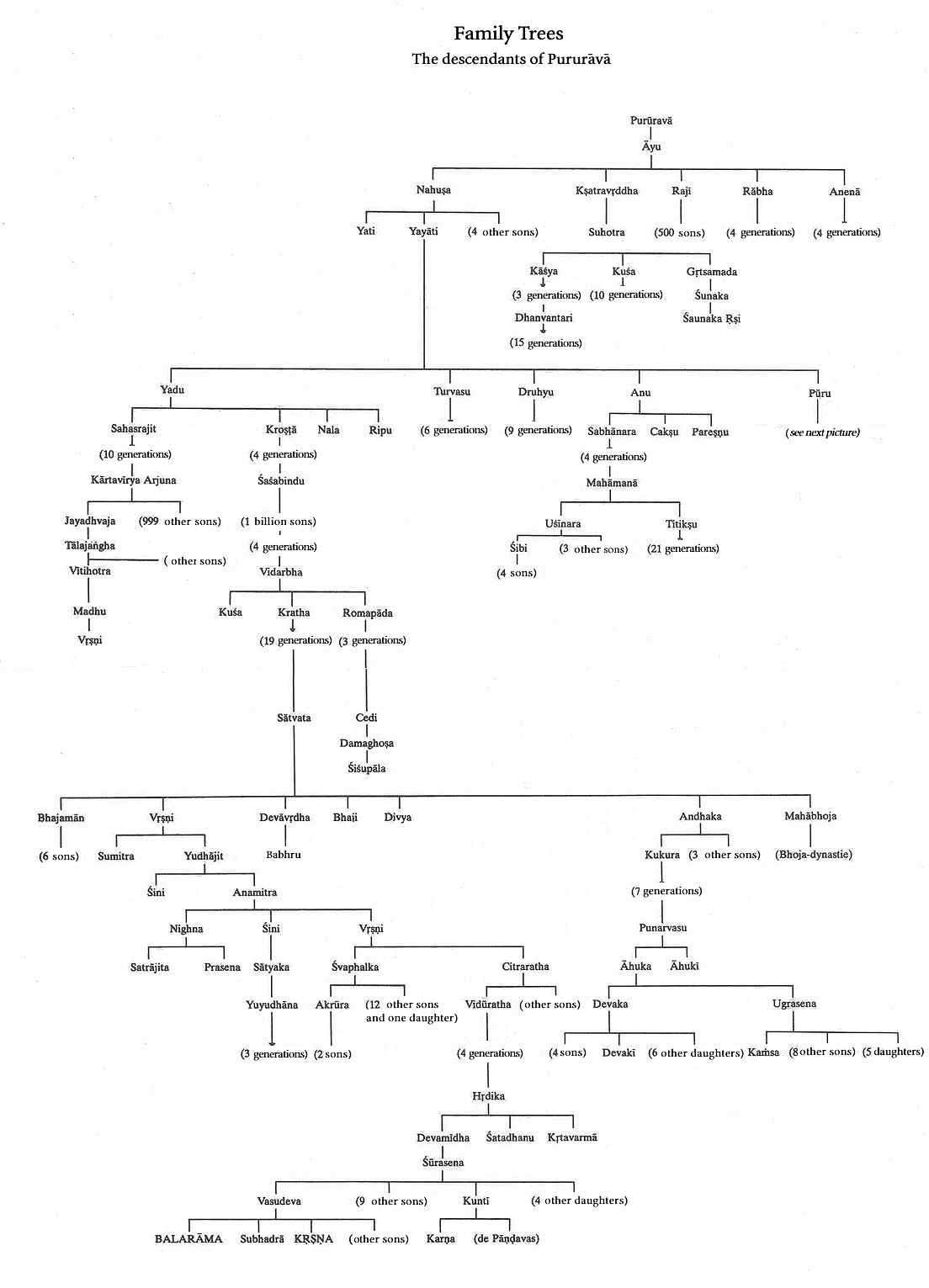
The moon and the stars shone unlimited forth in the sphere of the sky, just like the master of the Yadus, Krishna, did when He walked the earth surrounded by the circle of the Vrishnis [see family-tree].
The moon and the stars shone forth in the sphere of the sky unbroken alike the master of the Yadus, Krishna, did walking the earth surrounded by the circle of the Vrishnis [see family-tree]. (Vedabase)
By embracing the wind, which was not too cold and not too hot blowing from the flower-filled forest, the people could forget their hardship, but not so the gopîs whose hearts were stolen by Krishna.
Embracing the wind not too cold and not too hot from the flower-filled forest could the people forget the hardship, but not so the gopîs whose hearts were stolen by Krishna. (Vedabase)
The cows, the doe, the she-birds and the women were receptive in autumn, just like deeds in service of the Supreme Lord are followed by their respective mates, the good results.
The cows, the doe, the she-birds and the women found their fertility in autumn just like deeds in service of the Supreme Lord are followed by their respective mates, the good results. (Vedabase)
Oh King, the lotuses, except for the night-blooming kumut lotus, bloomed abundantly at sunrise, just as the populace, except for the thieves, blossoms with a [righteous] king whom they do not fear.
O King, the lotuses bloomed abundantly with the rising of the sun except for the night-blooming kumut lotus, the same way as the populace, except for the thieves, blossoms without fear with a [righteous] king. (Vedabase)
During all the harvest rituals, other mundane celebrations and great festivals in the towns and villages, the fertile earth, rich with grains and especially with the two [of Krishna and Balarâma], shone beautifully as an expansion of the Supreme Lord.
In the towns and villages with harvest rituals and other mundane celebrations and great festivals, shone the earth ripe with her grains, as an expansion of Him being rich with the two [of Krishna and Balarâma] who were so completely the Lord Supreme. (Vedabase)
The kings, the merchants, the renunciates and the initiated householders, who were checked by the rains, now could venture to achieve their goals, just like those who attain the perfection of life find their ultimate form [svarûpa or form of service] when the time has come.'
Like the ones perfected finding their subsistence [or form aspired] when the time is ripe, could the merchants, the renunciates, the kings and the initiates, [who before were] checked by the rains, [now] venture to achieve their goals.' (Vedabase)


The text and audio are offered under the
conditions of the
Creative
Commons Attribution-Noncommercial-Share Alike 3.0 Unported
License.
The first picture is titled: "Krishna and Radha under a tree in
a storm". Opaque
watercolor
and gold on paper,
ca.
1790-early 19th century. Source: Brooklyn
Museum
The second paiting is titled: 'Murali'.
It was painted by B.K. Mitra, collection of Gita Press,
Gorakhpur.
Production: Filognostic Association of The Order of Time.

Feed-back | Links | Downloads | Music | Pictures | What's New | Search | Donations




 Text 1